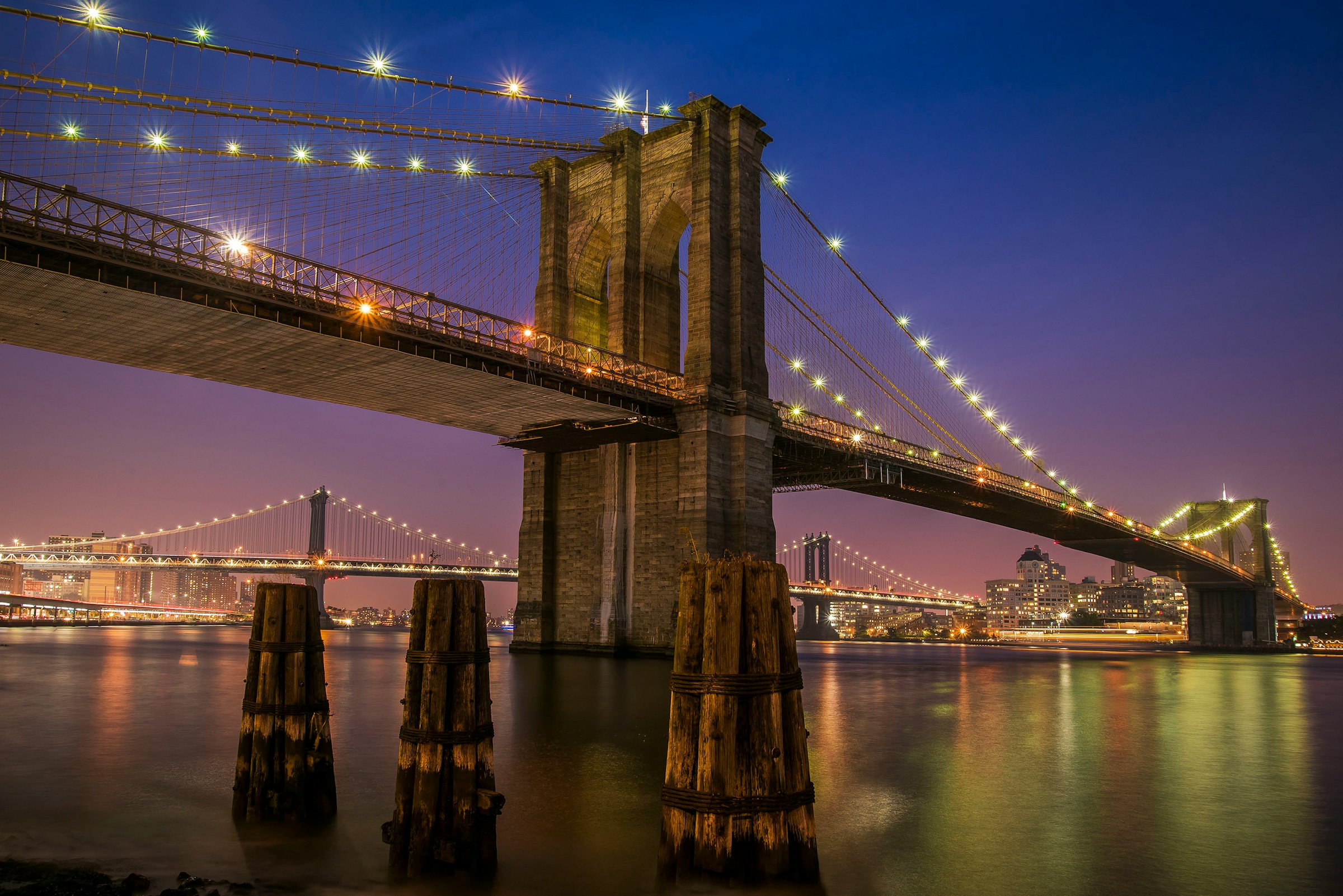
Brooklyn’s contribution to the American literary canon is vast, characterized by a distinct urban consciousness, a proximity to working-class grit, and an embrace of multicultural narratives. The borough has historically served as both a refuge for writers priced out of Manhattan and a vibrant subject of intensive literary exploration. As literary critic Evan Hughes observes, writers have long absorbed Brooklyn's "scruffy, somewhat persecuted mindset," utilizing the tension between its urban core and its suburban origins to generate profound urban histories.7
The undisputed godfather of Brooklyn letters is Walt Whitman. Born on Long Island, Whitman lived in Brooklyn during his formative years and worked as a journalist and editor for the Brooklyn Eagle, utilizing the publication to advocate for civic improvements and forge a distinct identity for the independent city. In his poetry, most notably in Leaves of Grass, Whitman captured the kinetic energy of Brooklyn’s docks and thoroughfares. His masterwork, "Crossing Brooklyn Ferry," remains an incendiary and transcendent meditation on the shared urban experience, effectively bridging the spatial and temporal gap between the nineteenth-century poet and future generations of commuters traversing the East River. Today, his legacy is commemorated by the Prison Ship Martyrs' Monument, a 149-foot-tall Doric column in Fort Greene Park honoring the Revolutionary War detainees he eulogized in “The Wallabout Martyrs,” as well as his preserved residence at 99 Ryerson Street in Clinton Hill.37,1,38,39

In the twentieth and twenty-first centuries, the borough’s literary output exploded, chronicling the transition from a declining industrial center to a gentrified metropolis. Authors such as Henry Miller (Black Spring, Tropic of Capricorn) chronicled their working-class youths in the ethnic enclaves of Brooklyn, while mid-century noir and crime fiction utilized the borough's shadows, loan sharks, and docks as atmospheric backdrops.39
The contemporary "Brooklyn Novel" is perhaps best exemplified by Jonathan Lethem, whose works Motherless Brooklyn and The Fortress of Solitude vividly map the cultural, racial, and spatial dynamics of neighborhoods like Boerum Hill and Gowanus before the totalizing effects of luxury gentrification took hold. Lethem's literature functions as an archaeology of recent urban history, capturing a Brooklyn defined by stoop culture, stickball, and intense ethnic friction. The subsequent explosion of writers migrating to Brooklyn in the twenty-first century—seeking out intellectual enclaves in Fort Greene, Park Slope, and Williamsburg—transformed the borough into what Lethem once caustically referred to as an environment "cancerous with novelists".37,7
The Brooklyn Book Festival
- over 300national and international authors at the Brooklyn Book Festival
- over 250independent and major publishers in the Literary Marketplace
- eight daysof "Bookend" events across all five boroughs
This unparalleled literary density is mobilized and celebrated annually at the Brooklyn Book Festival, recognized as the largest free literary event in New York City. Originating as a modest initiative by the Brooklyn Literary Council to celebrate local authors, the festival has expanded into an international phenomenon featuring over 300 national and international authors and a sprawling Literary Marketplace of over 250 independent and major publishers.41,42
The festival operates under a defining credo of being "hip, smart and diverse," intentionally reflecting the demographic realities of its host borough. The programming is deliberately exhaustive and decentralized, spanning eight days of "Bookend" events across all five boroughs in clubs, bookstores, and parks. A dedicated Children’s Day features workshops, storytimes, and a youth marketplace, while specialized committees curate panels focusing on fiction, poetry, non-fiction, international literature, and graphic novels.43,42
The festival frequently honors major literary figures with the "Best of Brooklyn (BoBi) Award," an accolade granted to luminaries such as Nobel-recognized novelist Amitav Ghosh. By utilizing public spaces like Brooklyn Borough Hall Plaza and Columbus Park, the festival effectively reclaims the concept of a shared intellectual commons, providing a democratic platform where authors, independent zine creators, and the reading public can interface directly to discuss topics ranging from environmental storytelling to the complexities of documenting global crises.45,42

Sources cited in this chapter
- Brooklyn Facts for Kids ↗
- Literary Brooklyn - EVAN HUGHES ↗
- Trying to Get Beyond the Cliches of Literary Brooklyn ↗
- 10 Iconic Brooklyn Books… - Literary Hub ↗
- Brooklyn book shops and famous literary spots - Time Out ↗
- Brooklyn Book Festival: Home ↗
- BROOKLYNBOOKFESTIVAL.ORG SEPTEMBER 14-22, 2025 ↗
- About - Brooklyn Book Festival ↗
- Brooklyn Book Festival Takes Over New York City With 9 Days of ↗