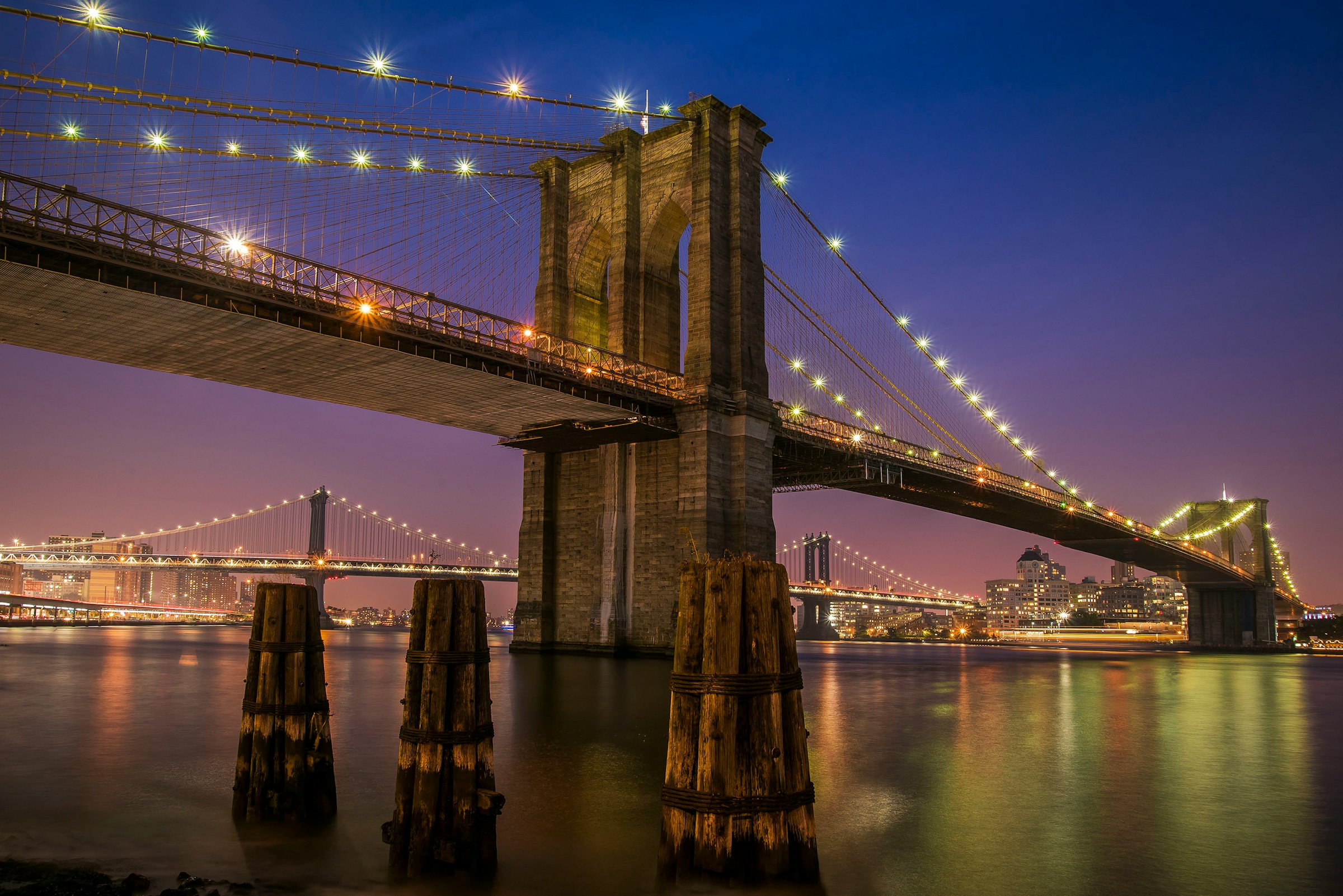
- 1834Brooklyn incorporated as a city
- City of ChurchesThe nationwide moniker of Brooklyn
- over $400,000Raised by the Brooklyn Sanitary Fair for Union medical relief
Throughout the mid-nineteenth century, Brooklyn underwent a radical transition from a collection of rural agricultural villages to a densely populated, highly influential urban center. Incorporated as a city in 1834, Brooklyn rapidly expanded, absorbing surrounding towns and developing a distinct cultural identity that stood in stark contrast to the perceived political corruption and frantic, unbridled commerce of neighboring Manhattan.59
Brooklyn became famously known across the nation as the "City of Churches." This moniker, derived from the proliferation of grand ecclesiastical architecture and the powerful influence of prominent clergymen like the abolitionist Henry Ward Beecher, reflected a civic self-image rooted in morality, domesticity, and progressive reform. The borough's intellectual and cultural ascent was further championed by Walt Whitman, who edited the Brooklyn Daily Eagle and celebrated the borough's visceral energy, ferry crossings, and sweeping vistas in his seminal poetry.60,63

This potent civic capacity was fully mobilized during the American Civil War. As the federal government struggled to supply and medically support the massive influx of wounded and sick Union soldiers, civilian organizations stepped into the breach. The United States Sanitary Commission, a private relief agency endorsed by the Lincoln administration, coordinated the volunteer efforts of women across the North. Initiated partly by the Woman's Central Association of Relief in New York City and advised by Reverend Dr. Henry Whitney Bellows, the Commission sought to apply scientific, preventative sanitary methods to reduce camp mortality—a lesson learned from the British Sanitary Commission during the Crimean War.64
To fund these massive logistical operations, major cities hosted grand bazaars known as "Sanitary Fairs". In February 1864, the Brooklyn Sanitary Fair (also known as the Brooklyn and Long Island Fair) opened at the Brooklyn Academy of Music. The event was a spectacular civic undertaking featuring a grand "New England Kitchen," extensive art galleries, and exhibits of captured Confederate military trophies and historical Americana designed to rally Union patriotism. Propelled by the tireless work of Brooklyn's women and the immense wealth accumulated by its merchant class, the fair was a staggering success, raising over $400,000 for Union medical relief. This financial triumph, combined with local institutions like the Long Island College Hospital caring for hundreds of casualties sent from the Army of the Potomac, proved that Brooklyn—now the third-largest city in the United States—possessed the logistical, financial, and cultural infrastructure to operate as a titan on the national stage.65,56

Sources cited in this chapter
- Reminiscences of an army nurse during the Civil War ↗
- Old Town records | NYCMA Collection Guides ↗
- Full text of "The New York Times 1925-05-13: Vol 74 Iss 24581" ↗
- The Brooklyn Experience: The Ultimate Guide to Neighborhoods ↗
- The United States Sanitary Commission | American Battlefield Trust ↗
- Sanitary Fair - Wikipedia ↗