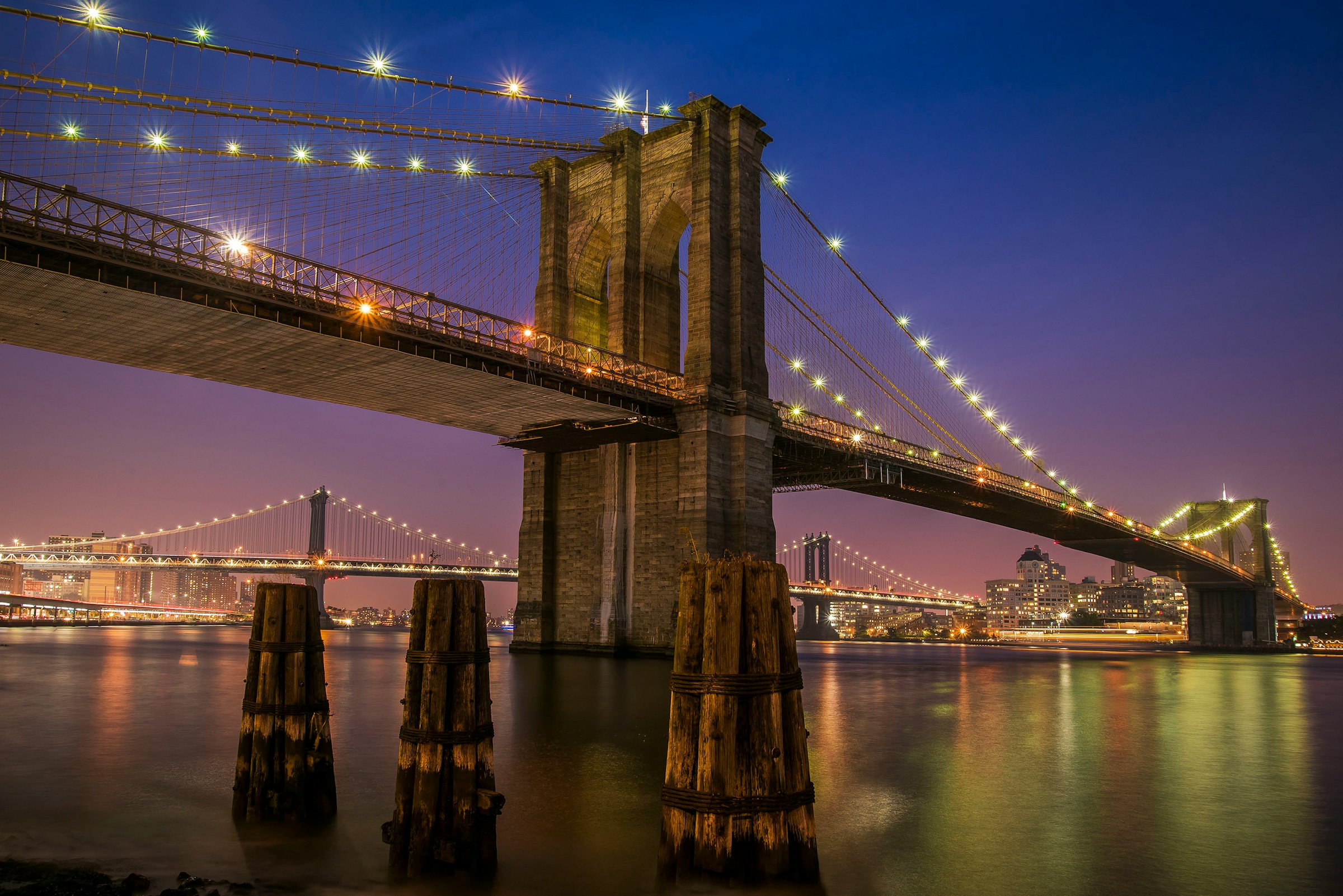
The historical figures of Brooklyn, New York, do not represent a localized, insular history; they represent the vanguard of the American ideological struggle. From the foundational anomaly of Lady Deborah Moody’s 1645 guarantee of religious freedom to the systematic dismantling of systemic racism championed by the enfranchised descendants of Weeksville, Brooklyn has perpetually functioned as a laboratory for civic progression and physical autonomy. The legacies of figures like Dr. Verina Morton Jones, Dr. Susan Smith McKinney Steward, and Mary White Ovington demonstrate how intersectional activism—bridging healthcare, women's suffrage, and Black liberation—forged national institutions like the NAACP from the borough's cobblestone streets and settlement houses. Similarly, the spatial engineering of Frederick Law Olmsted, Calvert Vaux, and Charles Pratt proved that the built environment could serve as an instrument of social equity, improving the psychic and physical realities of the working class through access to nature and sanitary housing.10,32,54

Furthermore, the integration of Major League Baseball by Jackie Robinson and Branch Rickey at Ebbets Field fundamentally altered the nation's racial psychology, using Brooklyn’s fervent civic loyalty as a wedge to crack the facade of American segregation. Concurrently, the intellectual sanctuaries of Brooklyn Heights provided the requisite isolation for writers like Walt Whitman, Truman Capote, Arthur Miller, and W.E.B. Du Bois to interrogate the American soul, producing literature and sociology that redefined the global cultural landscape, even as they faced intense domestic political persecution.64,75
Today, institutions like the Center for Brooklyn History act as the vital connective tissue preserving this sprawling, complex legacy, housing the architectural plans, oral histories, and physical artifacts of this evolution. The preservation of these sites—from the hard-won protection of the Hunterfly Road Houses in Weeksville to the ongoing battles over Walt Whitman's Ryerson Street home and the preservation of Federal-style townhouses on Willow Street—remains a critical endeavor. Brooklyn’s historical figures prove that urban spaces are not merely backdrops for human activity; they are active, malleable participants in the continuous struggle for liberty, intellect, and equality.2,25
Sources cited in this chapter
- The Center for Brooklyn History ↗
- Gravesend in Brooklyn - Atlas Obscura ↗
- Beyond the Village and Back: Historic Weeksville, Brooklyn ↗
- NYC Landmarks and the Vote at 100 - ArcGIS StoryMaps ↗
- Prospect Park | New York Landmarks Conservancy ↗
- Ebbets Field - Wikipedia ↗
- Whitmanites make surprise appearance at hearing to call for ↗