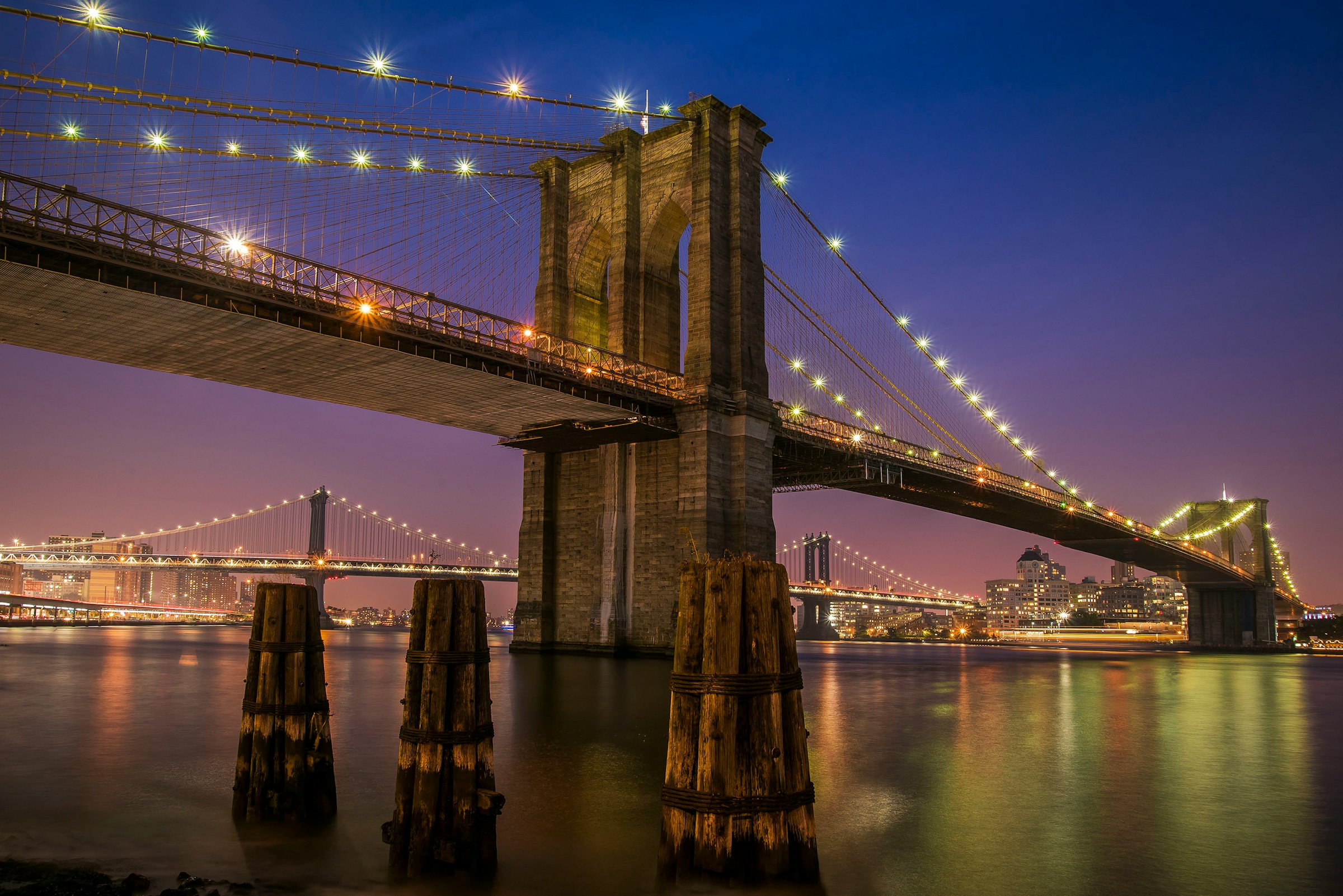
The borough of Brooklyn—historically independent, vast in its geography, and profoundly layered in its demographic evolution—represents one of the most complex and densely concentrated architectural landscapes in the United States. Its built environment chronicles a centuries-long trajectory from isolated Dutch agrarian settlements to a booming industrial waterfront, and from exclusive suburban enclaves to a densely populated, multi-ethnic metropolis. The preservation of this physical heritage is governed by the New York City Landmarks Preservation Commission (LPC), an agency whose evolving philosophy over the past six decades mirrors the shifting cultural priorities of American urbanism.1
An exhaustive examination of Brooklyn’s landmarks transcends a mere catalog of architectural styles; it provides a structural narrative of urban theory, industrial innovation, logistical engineering, and grassroots social activism. By analyzing the individual landmarks, scenic corridors, and expansive historic districts of Kings County, a highly nuanced understanding of municipal development emerges. This report details the complete history of Brooklyn's landmarked heritage, evaluating the mechanisms of preservation, the typologies of the protected structures, and the profound social histories these buildings encapsulate.
- April 19, 1965Landmarks Law signed by Mayor Robert F. Wagner
- 1974Amendment adding Interior and Scenic Landmarks
- LP-0001Brooklyn Heights Historic District, the first in the city
The Legislative and Administrative Framework of Preservation
The genesis of modern historic preservation in New York City is rooted in the passage of the Landmarks Law, signed by Mayor Robert F. Wagner on April 19, 1965. While the broader public consciousness often associates the inception of this law with the demolition of Manhattan’s original Pennsylvania Station, the preservation movement was equally catalyzed by the rapid destruction of Brooklyn’s historic fabric due to mid-century highway construction, speculative development, and aggressive urban renewal. The law empowered the LPC to designate Individual Landmarks and Historic Districts, and a subsequent amendment in 1974 expanded this jurisdiction to include Interior Landmarks and Scenic Landmarks.1

The regulatory implications of LPC designation are profound, altering the legal and economic trajectory of a property. When the LPC designates a historic district or an individual landmark, it places the property under its direct jurisdiction regarding any exterior alterations. Contrary to common misconceptions, designation does not freeze a building in amber, nor does it typically regulate interior spaces unless explicitly designated as an Interior Landmark. Instead, it mandates that any exterior modifications be reviewed for compatibility with the historic character of the structure and the surrounding district.3
| LPC Approval Level | Scope of Work and Regulatory Definition |
|---|---|
| Certificate of No Effect (CNE) | Issued for proposed work that does not adversely affect the protected architectural features of the landmark. Often processed expeditiously at the staff level. |
| Permit for Minor Work (PMW) | Required for small-scale alterations or maintenance that are appropriate to the building’s historic character but require formal documentation and review. |
| Certificate of Appropriateness (CoA) | Required for larger alterations, the replacement of character-defining features, or new construction within a historic district. This level necessitates a full public hearing and Commission review. |
The enforcement of these regulations requires constant coordination between the LPC and the Department of Buildings (DOB), as both agencies maintain separate permitting processes. As the LPC continues to evaluate new sites, maintaining interactive maps and public databases updated well into the 2020s, the boundaries of preservation in Brooklyn remain dynamic.3,4
The early application of the Landmarks Law in Brooklyn was highly ambitious. The very first historic district designated in the entire city was the Brooklyn Heights Historic District in 1965. Assigned the designation number LP-0001, the protection of Brooklyn Heights was driven by local civic leaders striving to save the neighborhood's unparalleled collection of pre-Civil War brownstones and carriage houses from modern high-rise development. Simultaneously, the first structure to ever receive designation as an Individual Landmark in New York City was the Pieter Claesen Wyckoff House in Brooklyn, marking a profound institutional commitment to safeguarding the borough's colonial origins.6
