
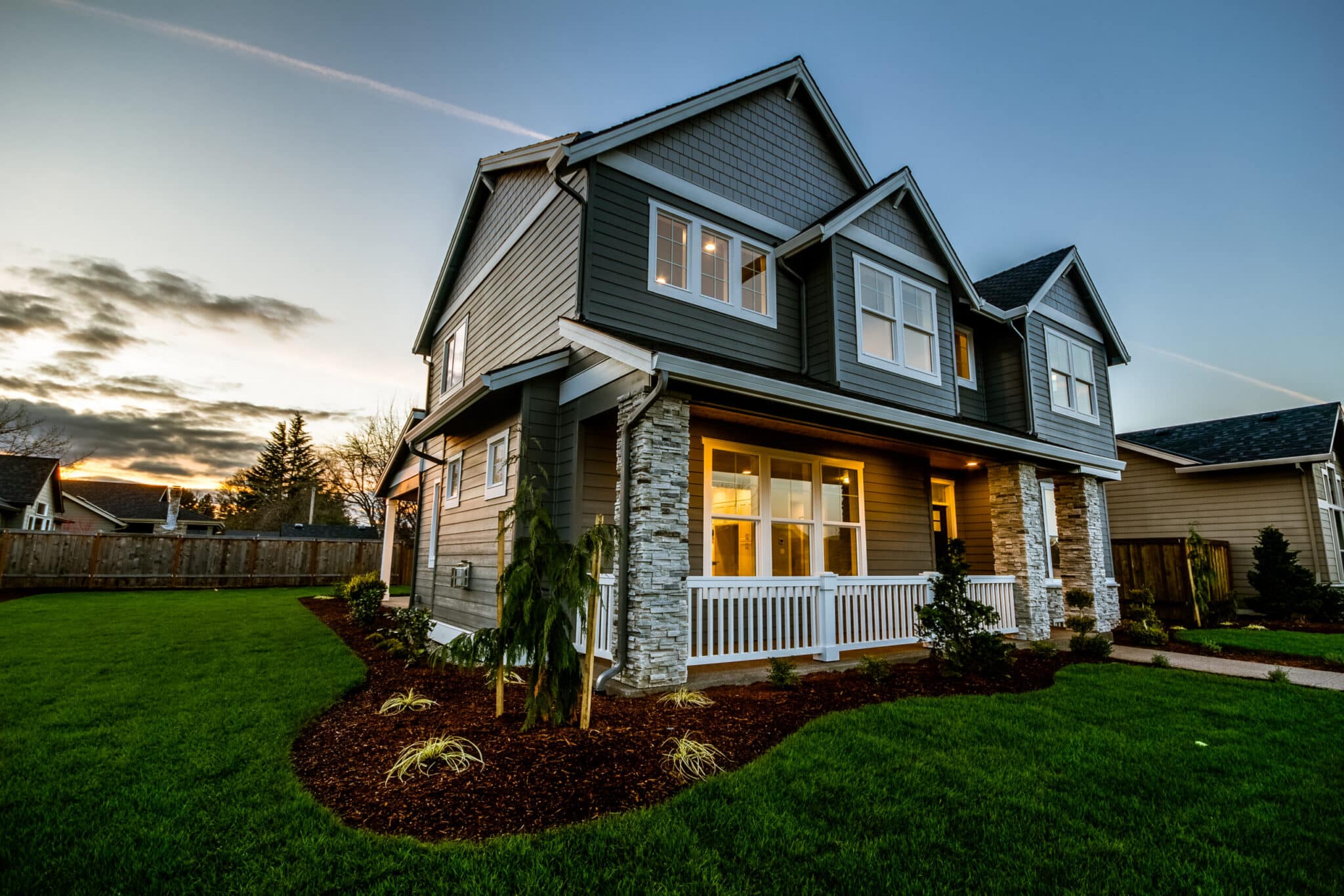
Brooklyn’s housing mixes nineteenth-century brownstones and row houses, pre-war apartment buildings, co-ops and condominiums, small multi-family houses and large new towers, especially along the waterfront and in Downtown Brooklyn. Ownership rules, monthly costs and approval steps differ for each type, so compare like with like.
For current prices and sales, use public sources such as the NYC Department of Finance’s rolling sales data and NYC Planning’s community profiles, then ask a licensed professional. Large projects, from the Pacific Park area around the Barclays Center to the Navy Yard and the Greenpoint–Williamsburg waterfront, are tracked by the city’s planning and development agencies.
When you look at the market, think in layers. Rents and prices follow the borough’s transport lines, school zones and waterfront access, but they also follow smaller things: whether a building has an elevator, the quality of the heating and the condition of the roof. Two apartments on the same street can have very different costs, so compare units in the same building type and size.
Buyers should know the difference between a condo, a co-op and a house. Co-ops usually involve a board approval process and monthly maintenance charges; condos give you a deed to your unit but have common charges; houses have the most freedom but also the most upkeep. A licensed attorney who knows New York real estate is essential, and a home inspection protects you against hidden defects.
c
o